Home Upgrades That Improve Energy Efficiency and Comfort
A comfortable home isn’t just about temperature—it’s about consistency, control, and peace of mind. Many homeowners don’t realize how much small inefficiencies quietly affect their daily lives. A room that never cools evenly, a spike in the energy bill during peak seasons, or systems that seem to work harder than they should are all signs that something could be improved.
The good news is that meaningful upgrades don’t require a complete overhaul. With the right approach, you can create a home that feels better to live in while also reducing long-term energy costs. The key is knowing where to focus your efforts and how different systems in your home work together.
Starting With a Professional Energy Assessment
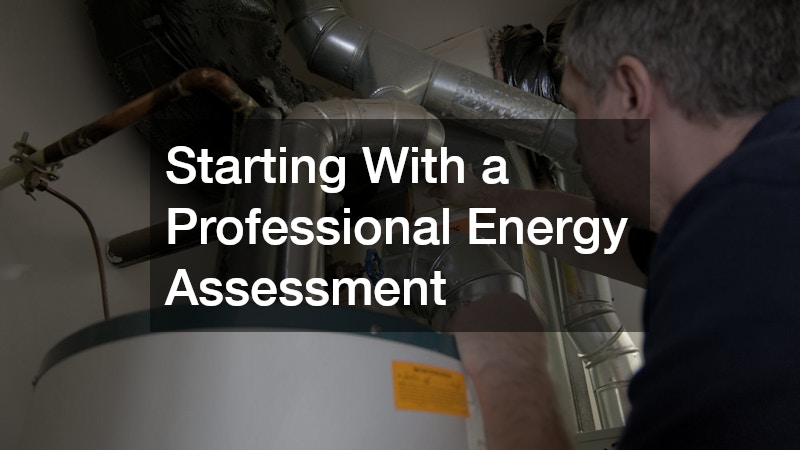
Before investing in upgrades, it helps to understand exactly where your home is losing energy. This is where a professional evaluation becomes incredibly valuable. Instead of guessing, you’re working with real data about how your home performs.
A thorough assessment often includes:
- Measuring airflow and identifying leaks
- Inspecting insulation levels in walls and attic spaces
- Evaluating heating and cooling efficiency
- Reviewing energy usage patterns over time
Working with an experienced HVAC company can uncover issues that aren’t immediately visible, such as duct leakage or improperly sized equipment. These hidden inefficiencies often have the biggest impact on both comfort and cost.
At the same time, your local electric company can provide insight into how your energy usage compares to similar homes in your area. Many also offer rebate programs or incentives for energy-efficient upgrades, which can offset initial costs.
One homeowner, for example, discovered through an audit that their attic insulation was far below recommended levels. After upgrading it, they noticed their home stayed cooler longer—even during peak summer heat—without running the system as frequently.
The takeaway is simple: start with knowledge. It prevents wasted spending and helps you prioritize improvements that actually make a difference.
Maintaining and Upgrading Cooling Systems for Efficiency
Cooling systems tend to carry the heaviest workload in warmer climates, and even small inefficiencies can lead to noticeable increases in energy use.
If your system struggles to maintain a consistent temperature, runs constantly, or produces uneven airflow, it may not be operating efficiently. In many cases, the issue isn’t the system itself but how well it’s maintained.
Routine air conditioner service plays a major role in keeping your system efficient. Over time, dust buildup, worn components, and refrigerant imbalances can all reduce performance. A well-maintained system doesn’t just cool better—it uses less energy to do it.
Simple habits can make a big difference:
- Replace filters regularly to maintain airflow
- Keep vents unobstructed by furniture or curtains
- Schedule seasonal inspections before peak usage
For homeowners ready to upgrade, modern systems offer improved energy ratings and smarter controls. Paired with a programmable thermostat, you can fine-tune cooling based on your schedule rather than running it continuously.
Think of your cooling system as the engine of your home’s comfort. When it runs efficiently, everything else feels easier.
Sealing and Insulating Windows for Better Comfort
Windows are one of the most common sources of energy loss, yet they’re often overlooked. Even small gaps can allow conditioned air to escape, forcing your system to work harder than necessary.
One practical solution is installing window shutters, which add an extra layer of insulation while also giving you more control over light and heat. Unlike basic coverings, they can significantly reduce heat transfer during both hot and cooler months.
To improve window efficiency, consider a combination of approaches:
- Apply weatherstripping to eliminate drafts
- Use caulk to seal small cracks around frames
- Install thermal curtains for added insulation
- Check for condensation or fogging between panes
A simple way to identify problem areas is by holding your hand near the edges of a window on a hot or cold day. If you feel a temperature difference, there’s likely air leakage.
Addressing these issues doesn’t just improve energy efficiency—it creates a more stable indoor environment. Rooms feel more balanced, and your system doesn’t need to compensate as much.
Investing in Renewable Energy for Long-Term Savings
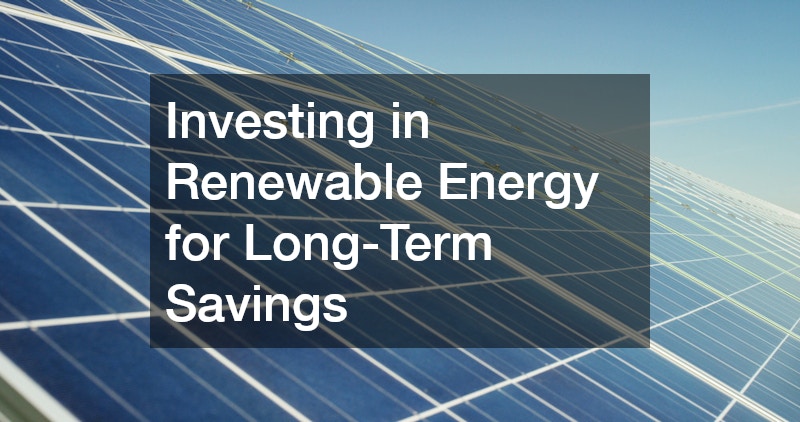
For homeowners thinking beyond short-term fixes, renewable energy offers one of the most impactful upgrades available.
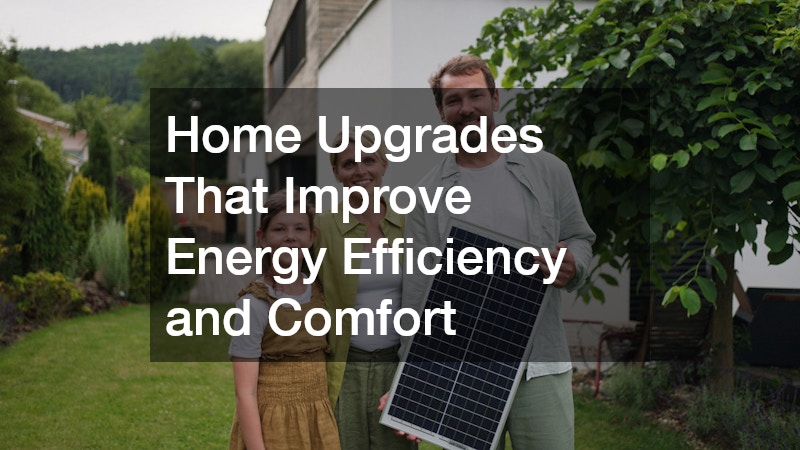
Solar energy, in particular, has become increasingly accessible. With proper solar panel installation, you can generate your own electricity and significantly reduce dependence on traditional energy sources.
The process typically involves evaluating roof orientation, shading, and structural integrity. Once installed, the system begins producing energy immediately, often lowering monthly utility bills.
However, maintaining performance is just as important as installation. Regular solar panel inspection ensures that debris, wear, or minor issues don’t reduce efficiency over time.
Many homeowners find that solar investment pays off in more ways than expected:
- Lower long-term energy costs
- Increased home value
- Reduced environmental impact
Even if full solar adoption isn’t immediately feasible, planning for it—such as reinforcing your roof or optimizing energy usage—can make the transition smoother in the future.
Optimizing Pool Systems to Reduce Energy Waste
Pools can be a major source of energy consumption, especially if equipment isn’t optimized. Pumps, heaters, and filtration systems often run longer than necessary, quietly increasing energy use.
Consistent pool maintenance plays a critical role in efficiency. When systems are clean and properly calibrated, they require less energy to maintain water quality and temperature.
One of the most effective upgrades is switching to a variable-speed pump. Unlike traditional models, it adjusts output based on need rather than running at full power constantly.
Other practical strategies include:
- Running pumps during off-peak energy hours
- Using a pool cover to retain heat and reduce evaporation
- Keeping filters clean to improve circulation
A homeowner who reduced pump runtime by just a few hours per day reported noticeable savings within a single billing cycle. These small adjustments add up quickly.
Enhancing Outdoor Features Without Increasing Energy Use
Outdoor comfort features can enhance your lifestyle, but they also come with energy considerations. The goal is to enjoy these spaces without creating unnecessary strain on your home’s systems.
For example, modern hot tubs are designed with improved insulation and energy-efficient heating systems. Choosing the right model—and using it wisely—can make a significant difference.
Energy-conscious usage includes:
- Keeping the cover on when not in use
- Lowering the temperature during extended periods of inactivity
- Positioning the unit in a sheltered area to reduce heat loss
These adjustments don’t reduce enjoyment—they simply make the experience more efficient.
It’s a reminder that comfort doesn’t have to come at the expense of sustainability. With thoughtful choices, you can have both.
Improving Security While Minimizing Energy Consumption
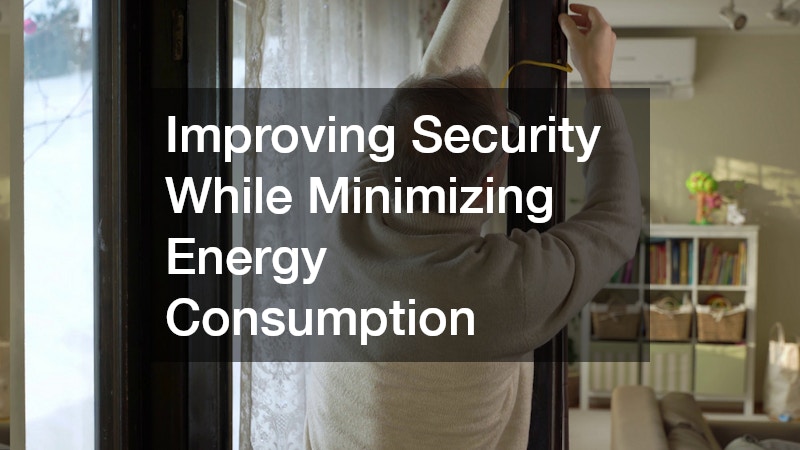
Home security is essential, but it doesn’t have to increase your energy footprint. Modern systems are designed to operate efficiently while still providing strong protection.
A well-placed residential security camera can monitor activity using motion detection, meaning it only records when necessary rather than running continuously. This reduces both energy use and storage demands.
Additionally, many systems now integrate with smart home platforms, allowing you to control them remotely and minimize unnecessary operation.
To keep energy use low:
- Choose cameras with energy-saving modes
- Install them strategically to avoid redundancy
- Use solar-powered options where possible
These systems add convenience and peace of mind without significantly impacting your utility bills.
Preparing for Outages With Efficient Backup Solutions
Power outages can disrupt comfort and safety, especially during extreme weather. Having a backup plan is important—but it’s equally important to do it efficiently.
Modern back up generators are designed to provide power only where it’s needed. Instead of running your entire home, they can be configured to support essential systems like refrigeration, lighting, and climate control.
Choosing the right size generator is key. An oversized unit may consume more fuel than necessary, while an undersized one won’t meet your needs.
Consider this approach:
- Identify critical systems you want to power
- Calculate their combined energy requirements
- Select a generator that matches that load
Using generators strategically ensures you stay comfortable during outages without excessive energy waste.
Integrating Smart Technology Into Daily Routines
Technology has made it easier than ever to manage energy use without constant effort. The key is integration—creating systems that work automatically based on your habits.
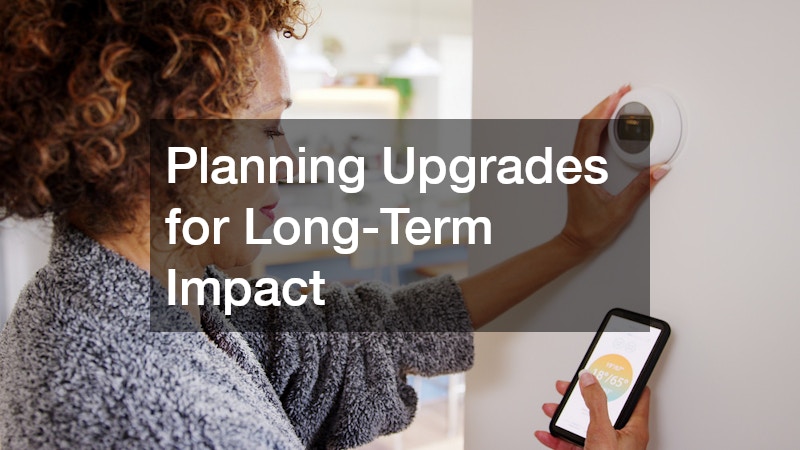
Smart thermostats, for instance, can learn your schedule and adjust temperatures accordingly. Lighting systems can turn off when rooms are empty. Appliances can run during off-peak hours without manual input.
The real benefit isn’t just convenience—it’s consistency. Energy savings happen in the background, without requiring daily attention.
One homeowner described it as “setting things up once and forgetting about it,” only to notice lower bills over time. That’s the power of automation when used thoughtfully.
Planning Upgrades for Long-Term Impact
Not every improvement needs to happen at once. In fact, spreading upgrades over time can make the process more manageable and financially sustainable.
Breaking Upgrades Into Manageable Phases
Instead of tackling everything at once, it’s often more effective to divide improvements into stages. This approach allows you to focus on one area at a time while maintaining control over your budget.
A phased strategy might begin with smaller, immediate fixes—such as sealing air leaks or improving insulation in key areas. These upgrades typically require less investment but deliver noticeable results quickly. From there, you can move into more involved improvements like upgrading major systems or enhancing structural efficiency.
This gradual progression also gives you time to evaluate how each change affects your home before moving on to the next step.
Prioritizing Based on Impact and Cost
Not all upgrades deliver the same level of benefit. Some improvements provide immediate energy savings, while others offer long-term value. Understanding this difference helps you decide where to start.
A practical way to prioritize is by asking:
- Will this upgrade reduce energy use right away?
- Does it improve overall comfort or solve a recurring issue?
- How long will it take to recover the cost through savings?
For example, addressing insulation gaps may have a faster return than replacing an entire system, but both play important roles over time. Balancing short-term gains with long-term investments creates a more sustainable upgrade plan.
Tracking Energy Usage and Performance Changes
One of the most overlooked steps in the process is measuring results. Tracking your energy usage before and after each upgrade provides valuable insight into what’s working.
You might notice that a simple improvement—like sealing windows—leads to a measurable drop in energy consumption. These small wins can guide your next decisions and reinforce that your efforts are paying off.
Keeping a record of:
- Monthly energy bills
- Seasonal usage patterns
- System performance changes
can help you build a clearer picture of your home’s efficiency over time.
Adjusting Your Strategy as Your Home Evolves
Homes aren’t static. As your needs change—whether it’s a growing family, new appliances, or different usage habits—your energy strategy should adapt as well.
For instance, a homeowner who initially focused on cooling efficiency may later shift attention to renewable energy or smart automation. Being flexible allows you to make decisions that align with both your current lifestyle and future goals.
The most effective plans are not rigid. They evolve alongside your home and priorities.
Building Momentum With Consistent Progress
What matters most is progress. Each upgrade builds on the last, creating a home that is more efficient, more comfortable, and better suited to your needs.
Even small improvements contribute to a larger outcome. Over time, these incremental changes add up—resulting in lower energy bills, improved comfort, and a more resilient home environment.
Instead of waiting for the “perfect” time to start, taking action with one upgrade can create momentum that carries through the entire process.
Energy efficiency isn’t about a single solution—it’s about a collection of thoughtful choices that work together. Some changes are small and immediate, while others take planning and investment. But all of them contribute to a home that feels better to live in.
By focusing on both comfort and efficiency, you’re not just reducing costs—you’re improving the overall experience of your space. And over time, those improvements become part of your everyday life in ways that feel effortless and lasting.