
Controlling Your Indoor Climate to Slash Utility Bills
Uncontrolled indoor climates account for over half of a household’s energy consumption. During extreme temperature spikes in summer or winter, energy bills can soar. Homeowners often attribute these costs to unavoidable energy rates, but the issue is typically hidden thermal leaks, structural vulnerabilities, and mechanical inefficiencies.Every home functions as a complex thermodynamic system. When cold air escapes through uninsulated walls or heat penetrates through unventilated roofs, heating and cooling systems work harder to maintain comfort, adding to energy bills.
Fortunately, you can control your environment by understanding how heat moves through a building.
Upgrade Your Home’s Base Insulation
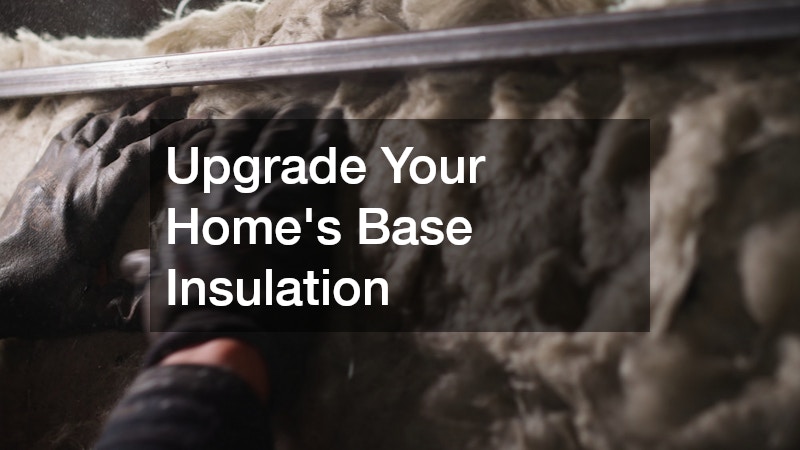
To successfully manage your indoor climate, you must first focus on the concept of thermal resistance, commonly referred to in the building industry as R-value. The higher the R-value of a material, the better it is at resisting the movement of heat. In poorly insulated homes, indoor climate control is an uphill battle because conditioned air constantly bleeds through the ceilings and walls. During the summer, outdoor heat forces its way indoors; during the winter, the expensive heat generated by your heating system escapes freely into the atmosphere.
Retrofitting an older home with modern insulating materials is one of the most effective ways to establish a permanent barrier against temperature swings. Blown-in cellulose, fiberglass batts, and expanding spray foam are excellent options for filling the voids that exist within your structural framing. By targeting areas like the attic floor and the crawlspaces beneath your living rooms, you can eliminate the drafty zones that destabilize your interior environment.
- Seal the attic floor completely: Before adding new material, ensure that all wire penetrations, plumbing stacks, and light fixtures are tightly sealed with expanding foam to stop chimney-effect air leaks.
- Prioritize appropriate R-values: Depending on your geographic climate zone, aim for an attic insulation level between R-38 and R-60 to maximize your long-term return on investment.
- Work with certified insulation specialists: Hiring seasoned insulation contractors ensures that your home maintains proper vapor barriers, preventing moisture accumulation while establishing a completely uniform thermal blanket across your entire property.
Install Energy-Efficient Exterior Siding
While interior wall cavities handle a massive portion of your home’s thermal defense, the outer face of your property is equally critical. Traditional exterior walls are susceptible to a phenomenon known as thermal bridging. This occurs when solid structural components, such as wooden wall studs, act as direct conduits for heat transfer, bypassing the insulation packed between them.
Upgrading your home’s exterior cladding offers an ideal opportunity to eliminate thermal bridging entirely. Modern siding options are often manufactured with integrated foam backing, creating a continuous layer of thermal defense around your home’s framing. When a building is wrapped in this high-tech protective layer, it prevents external weather extremes from directly impacting the temperature of your interior drywall.
- Look for integrated foam backing: Select contoured vinyl or fiber-cement options that feature a laminated layer of expanded polystyrene to maximize energy savings.
- Inspect existing boards for structural damage: Warped, cracked, or rotting exterior panels permit water infiltration and wind drafts, which quickly tank your indoor energy efficiency.
- Consult specialized siding installation: Partnering with professional siding contractors ensures that the house wrap and flashing are perfectly integrated, preventing drafts while allowing the structural walls to breathe cleanly.
Apply High-Performance Window Films
Windows are notorious architectural weak points when it comes to regulating interior temperatures. Even high-quality double-pane installations can permit a substantial amount of solar radiation to enter your living spaces, causing what is known as greenhouse heat gain. During the hottest months of the year, this relentless solar energy forces your cooling hardware to run around the clock just to maintain a liveable environment.
Fortunately, you do not need to spend tens of thousands of dollars replacing perfectly functional windows to solve this issue. Micro-thin window films offer an incredibly cost-effective, high-yield alternative. These advanced films utilize microscopic, embedded ceramic or metallic layers to actively reject infrared and ultraviolet rays while still allowing beautiful, natural visible light to pass safely through the glass.
- Evaluate the solar heat gain coefficient: Look for products with a low solar heat gain coefficient to ensure the maximum percentage of solar heat is bounced away from your living spaces.
- Protect your interior furnishings: Beyond slashing your monthly cooling bills, these films block up to ninety-nine percent of UV rays, preventing your carpets, hardwood floors, and furniture from fading.
- Invest in styled windows: Opting for expert window tinting application guarantees a flawless finish free of bubbles, peeling edges, or unsightly creases, preserving your view while optimizing thermal performance.
Protect Your Home with Advanced Roof Care

Your roof absorbs direct solar radiation daily. On a summer afternoon, a dark asphalt shingle roof can reach over 150 degrees Fahrenheit. This heat migrates downward, affecting your attic space and living areas.
To mitigate this heat, use reflective materials and robust ventilation. A cool roof system or proper airflow from soffits to ridge vents can prevent heat from affecting your home and reduce the workload on your cooling equipment.
- Optimize your attic airflow: Ensure your intake and exhaust vents are entirely unobstructed so that natural convection can draw hot air out of the top of your home.
- Consider highly reflective materials: Shingles with reflective granules or metal roofing options can bounce a massive percentage of solar energy directly back into the atmosphere.
- Utilize comprehensive roof inspections: Scheduling regular professional roofing services ensures that minor leaks, damaged flashing, and blocked ventilation pathways are corrected before they degrade your home’s thermal efficiency.
Clean out Air Duct Obstructions
Your mechanical climate systems rely entirely on balanced, unimpeded airflow to distribute conditioned air throughout your household. Over years of daily operation, the intricate network of supply and return ducts running through your walls and floors acts as a magnet for dust, pet dander, pollen, and construction debris.
As these particles accumulate, they create a physical bottleneck within your HVAC system. This accumulation restricts static pressure, forcing the primary blower motor to consume significantly more electricity to push air through the narrow channels. Furthermore, heavily fouled ducts can coat your system’s internal coils in dust, which drastically reduces their ability to transfer heat efficiently.
- Monitor your indoor air quality: If you notice fine dust accumulating on your furniture shortly after dusting, your ventilation pathways are likely heavily congested.
- Check register vents for blockages: Ensure that heavy furniture, drapes, or storage boxes are not blocking your floor or wall grates, as this disrupts the engineered pressure balance of the home.
- Arrange duct cleaning: Utilizing professional air duct cleaning services with vacuum and brush systems completely removes deep-seated accumulation, restoring optimal static pressure and immediately lowering the energy usage of your blower motor.
Schedule Regular Air Conditioner Maintenance
Even the most advanced cooling system will decline in efficiency if its mechanical components are neglected. Outdoor condenser coils can become covered in dirt, lawn clippings, and leaves, creating an insulating barrier that prevents heat release into the outside air. Inside the home, a clogged air filter or a refrigerant leak can cause the internal evaporator coil to freeze, halting your climate control.
Preventative maintenance is key to keeping your cooling machinery at its peak performance. Catching minor issues early prevents them from becoming major failures that often occur during the hottest weekend of the summer.
- Clean the perimeter of your outdoor unit: Maintain at least a two-foot clearance around your outdoor condenser unit, clearing away weeds, shrubs, and debris to allow for maximum, unrestricted airflow.
- Replace air filters on a strict schedule: Check your system filters every thirty to ninety days, swapping them out promptly to prevent airflow starvation and motor strain.
- Hire experienced contractors: A professional air conditioner contractor can precisely calibrate refrigerant charges, test electrical draw, clean internal components, and ensure your system runs as efficiently as the day it was manufactured.
Address Heating Inefficiencies Early
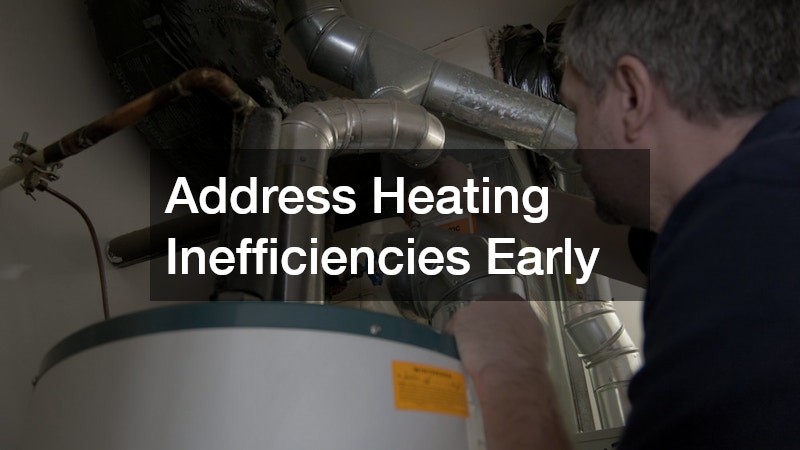
When the winter cold sets in, your heating system becomes the ultimate protector of your household comfort. However, if your heating equipment is suffering from worn igniters, faulty burners, or miscalibrated gas valves, it will consume far more fuel than necessary to keep your home warm. This hidden waste can silently add hundreds of dollars to your monthly utility expenses without your knowledge.
Homeowners should be vigilant regarding the subtle warning signs of heating degradation. If you notice your system constantly turning on and off for short bursts, a phenomenon known as short-cycling, it is a clear indicator that the system is under stress and operating at a highly inefficient level.
- Inspect the color of your pilot light: For gas systems, a healthy burner flame should always be a crisp, steady blue; a flickering yellow or orange flame indicates improper combustion and wasted fuel.
- Listen for unusual mechanical noises: Loud clicking, banging, or squealing sounds point to mechanical wear that impairs operational efficiency and threatens total system failure.
- Request professional furnace services: Addressing necessary furnace repairs at the first sign of trouble ensures your heating system burns fuel cleanly and maintains a stable, cost-effective indoor environment all winter long.
Transition to Modern Climate Systems
There comes a point where patching an outdated heating and cooling system no longer makes financial sense. Older units designed over a decade ago use outdated technology and have lower efficiency ratings than modern systems. Upgrading from an old ten-SEER cooling unit to a modern variable-speed inverter system can cut cooling-related electrical usage in half.
When considering a full system replacement, ensure the new equipment is precisely sized for your floor plan. An oversized system will cool too quickly, shutting down before adequately dehumidifying, while an undersized unit will run continuously without reaching your desired temperature.
- Insist on a formal Manual J load calculation: Never let an installer guess the size of your new unit based on square footage alone; demand a proper calculation that accounts for windows, insulation, and home orientation.
- Explore advanced multi-zone options: Modern split systems allow you to independent control the temperatures of different zones or rooms, ensuring you only spend money heating or cooling the spaces you actually use.
- Coordinate with specialists: Working with highly qualified professionals in hvac installations guarantees that your new, high-efficiency equipment is integrated flawlessly with your existing infrastructure for maximum energy savings.
Tune Up Major Household Appliances
While structural modifications and primary HVAC maintenance are crucial for your home climate strategy, secondary systems should not be overlooked. Every large appliance generates ambient heat during operation. If an appliance is struggling due to mechanical wear or clogged components, it will draw excess electrical currents and emit unwanted waste heat into your home.
A typical example is a refrigerator with dusty condenser coils or damaged door gaskets. When seals fail, warm air leaks into the refrigerator, causing the compressor to run continuously. This operation consumes a lot of power and emits significant heat into your kitchen, making your cooling system work harder.
- Clean your appliance coils annually: Vacuum the dust from beneath or behind your refrigerator and freezer units to allow the cooling loops to release heat efficiently.
- Check the seals on all heated appliances: Inspect oven doors, dishwashers, and dryers to ensure they are not leaking heat or hot humidity into your conditioned indoor spaces.
- Invest in professional repairs: Prompt appliance repairs failing motors, worn pumps, and deteriorated seals keeps your everyday equipment running lean, reducing both phantom power draws and localized heat spikes.
Insulate Your Garage Space

The garage door is the largest opening in your home. An attached garage with an uninsulated door acts as a thermal buffer zone, highly influenced by outdoor climate. In summer, it becomes an oven; in winter, a freezer.
Because the garage shares walls and often ceiling space with your living areas, this temperature variance creates a thermal drain. Rooms adjacent to or above an unconditioned garage feel colder in winter and hotter in summer, increasing utility bills as your thermostat struggles to balance the load.
- Upgrade to an insulated door model: Choose a garage door featuring a high polyurethane or polystyrene core to create a robust thermal break against outdoor extremes.
- Maintain the perimeter weatherstripping: Check the flexible rubber seals along the bottom and sides of the door regularly, replacing them if they show signs of cracking or tearing.
- Utilize specialized experts: Partnering with garage door services allows you to upgrade your tracking, balance the spring tension for heavier insulated doors, and establish an airtight perimeter seal that isolates your home from extreme exterior temperatures.
Mastering your indoor climate and reducing your utility bills requires a thoughtful approach that addresses your property’s structure and the efficiency of your machinery. By reinforcing your home against the elements and ensuring your climate hardware operates efficiently, you can stop energy waste at its source. You don’t need to invest in every upgrade simultaneously. Start with low-cost optimizations, such as checking seals, cleaning filters, and addressing minor mechanical issues. As savings appear on utility statements, reinvest in high-ROI improvements like insulation or system modernizations. With planning and care, enjoy a comfortable home all year round while keeping your money in your bank account.