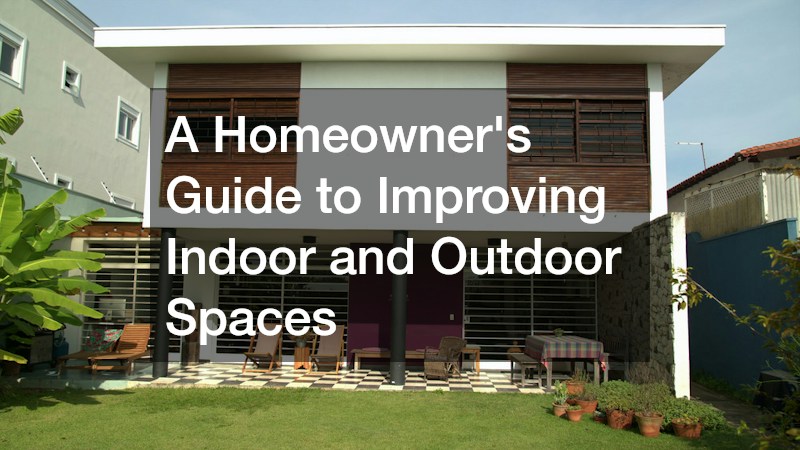
A Homeowners Guide to Improving Indoor and Outdoor Spaces
A home should provide comfort, functionality, and a welcoming environment. Whether the goal is to refresh an interior, improve curb appeal, or create a more enjoyable backyard, thoughtful improvements can make a property more practical and attractive. The best projects begin with a clear understanding of how each space is used and which changes would provide the greatest benefit.
Not every improvement requires a major renovation. Better storage, refreshed paint, healthier landscaping, ansd routine exterior maintenance can all make a noticeable difference. By setting priorities, creating a realistic budget, and coordinating projects, homeowners can improve their spaces gradually while avoiding unnecessary work.
1. Develop a Practical Improvement Plan
Start by walking through the house and around the property. Note repairs, awkward layouts, underused spaces, and features that no longer meet the household’s needs. Separate potential projects into three groups:
- Essential repairs: Address leaks, damaged flooring, and deteriorating materials.
- Functional upgrades: Consider storage, lighting, and improved access.
- Appearance improvements: Refresh paint, update fixtures, and improve landscaping.
Set a budget that accounts for labor, materials, permits, and a contingency for unexpected costs. Older homes may reveal hidden damage once work begins, so spending every available dollar upfront can create problems.
Project order matters, too. Complete plumbing or electrical work before finishing walls, and address drainage issues before installing new landscaping. A simple schedule that accounts for contractor availability, deliveries, and weather can prevent delays and protect completed work.
It can also help to distinguish projects that provide immediate benefits from those that can wait. A leaking fixture or unsafe step deserves attention sooner than a purely decorative update. For larger renovations, ask contractors to explain what is included in an estimate, which materials are specified, and how changes will affect the schedule. Written estimates and clear expectations make it easier to compare options and avoid misunderstandings.
2. Improve Landscaping and Lawn Appearance

A considered landscape makes a property more inviting and gives outdoor areas a clearer purpose. Before selecting plants, observe the yard at different times of day. Identify sunny and shaded areas, spots where water collects, and routes people use to reach entrances, patios, or storage areas. These observations help guide plant placement and walkway design.
When establishing a lawn or replacing damaged sections, a local sod company can help identify grass varieties suited to regional growing conditions. Different grasses have different sunlight, watering, and maintenance needs, so choosing an appropriate variety can make long-term care easier.
Build the landscape around a few practical elements:
- Lawn areas: Provide recreation space and open areas for outdoor activities.
- Garden beds: Introduce color and seasonal interest.
- Trees and shrubs: Add shade, structure, and privacy.
- Walkways: Connect frequently used areas.
- Mulched beds: Define planting areas and help retain moisture.
Consider mature plant size and maintenance requirements before planting. Keep roots away from vulnerable utilities and foundations, leave room for lawn equipment, and avoid placing delicate plants in high-traffic areas. Grouping plants with similar care needs can simplify watering and pruning.
Seasonal adjustments are useful because water needs change throughout the year. Newly planted grass may need more frequent attention while it establishes roots, whereas established landscaping may need less supplemental water during cooler or rainy periods. Check the soil before watering rather than relying only on a fixed calendar. These small checks can improve plant health while limiting wasted water.
3. Manage Irrigation and Drainage
Healthy landscaping depends on supplying water appropriately and preventing it from collecting in the wrong places. Underwatering can stress grass and plants, while overwatering wastes resources and may encourage disease. Soil type, sunlight, plant selection, and local weather should all influence watering decisions.
A properly planned sprinkler system can make lawn care more convenient by distributing water across designated areas. Before installation, consider the yard’s dimensions, water pressure, planting beds, and sun exposure. Separate watering zones can help ensure that sunny lawns and shaded beds receive different amounts of water when needed.
Improve efficiency by following a few habits:
- Water during cooler periods to reduce evaporation.
- Check sprinkler heads for leaks, clogs, and misdirected spray.
- Avoid watering pavement and exterior walls.
- Adjust schedules after rainfall.
- Follow local watering restrictions.
Drainage deserves equal attention. Water should generally flow away from the foundation, and downspouts should discharge it without creating erosion or pooling. If standing water persists after rain, investigate possible grading, soil, or drainage problems rather than trying to solve the issue by changing the watering schedule alone.
4. Plan Outdoor Lighting
Exterior lighting improves visibility after dark and can highlight architectural details or attractive landscape features. Begin with practical needs: entrances, steps, walkways, driveways, and patios often benefit from well-positioned fixtures. Accent lighting can then draw attention to trees, garden beds, or distinctive exterior materials.
Landscape lighting works best when fixtures are placed intentionally. Low-level lights can define paths, while directed spotlights can emphasize selected features. A few carefully positioned fixtures may create a more comfortable atmosphere than illuminating the entire yard with intense light.
When planning a system, consider these principles:
- Prioritize safety: Illuminate steps and changes in elevation.
- Select suitable fixtures: Use products designed for outdoor conditions.
- Reduce glare: Aim lights away from windows and neighboring properties.
- Coordinate color temperatures: Use compatible tones for a consistent appearance.
- Manage energy use: Consider LED fixtures, timers, and motion sensors.
An outdoor lighting company can help assess placement, wiring, controls, and fixture suitability. Electrical installations should follow applicable codes and use equipment rated for the conditions.
After installation, check the arrangement at night. Look for dark areas, harsh shadows, and unwanted light shining into windows. Adjusting fixture direction or intensity can improve both visibility and appearance.
5. Create Private Outdoor Areas

A yard can serve several purposes, from entertaining guests to relaxing in a quiet corner. Defining separate areas helps make the space more useful. Consider where privacy is needed, how people move between the house and yard, and whether views from neighboring properties affect the comfort of an outdoor seating area.
Privacy walls can create separation around patios, outdoor kitchens, or seating areas. Depending on local requirements and the design, they may use masonry, wood, composite materials, or other suitable products. In smaller yards, trellises, decorative screens, and carefully placed shrubs can provide visual separation without making the space feel enclosed.
Before installing a permanent structure, verify property boundaries and review applicable height restrictions, permits, and neighborhood rules. Consider drainage, wind exposure, access to utilities, and the amount of maintenance required. Avoid blocking convenient routes between the house, garage, garden, and patio.
Think about the structure from every angle, not just the side facing the seating area. Coordinating its colors and materials with the home and nearby plantings can help it look like an intentional part of the landscape.
Privacy features should also suit the property’s layout. A barrier that blocks a view from one location might create an awkward division elsewhere.
6. Choose Boundary and Security Features
Fencing can define property lines, provide privacy, and help keep children or pets within designated areas. It can also affect curb appeal, so consider how the fence’s height, style, and color relate to the house and surrounding landscape.
Wood is a popular option because it has a natural appearance and suits many architectural styles. It can provide a solid screen or a more open boundary, depending on the design. However, wood needs suitable care to help protect it from moisture, insects, and weather-related wear. A wood fence company can explain material choices, post placement, construction methods, and finishing options.
Other materials may suit different priorities. Vinyl can require less routine upkeep, while metal fencing may provide visibility and an open appearance. Compare options based on:
- Purpose: Consider privacy, security, and pet containment.
- Durability: Evaluate performance in the local climate.
- Maintenance: Compare cleaning, painting, staining, and repair needs.
- Installation: Account for slopes and uneven ground.
- Compliance: Check property boundaries and neighborhood restrictions.
Coordinate the fence with planting and irrigation plans. Trees placed too close may eventually interfere with the structure, and watering equipment beside posts can complicate maintenance.
Also consider how people will use the area beyond parking. A walkway to the front door should be easy to follow, and a patio should have enough room for furniture without blocking the route to the yard. Planning these details together can help the entire property feel connected.
7. Refresh Driveways and Paved Areas
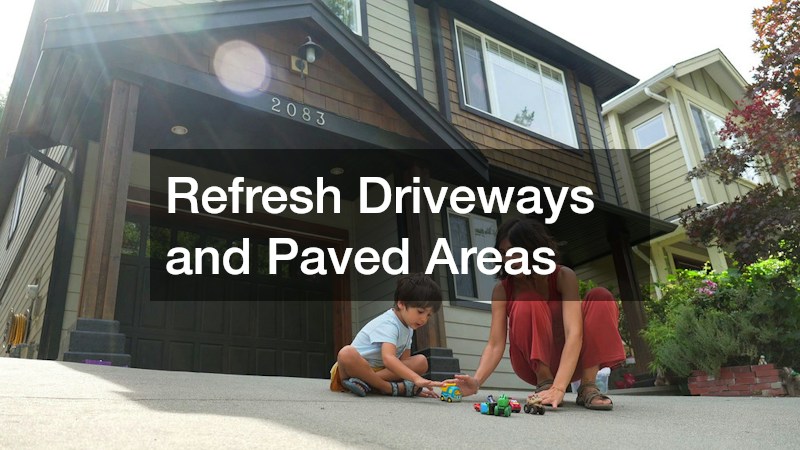
Driveways, walkways, and patios influence both the appearance and usability of a property. Cracks, uneven sections, crumbling edges, and standing water can make these areas less attractive and create tripping hazards. Inspect paved surfaces regularly and note whether damage is spreading or recurring after repairs.
Material choice depends on budget, traffic, soil conditions, drainage, and preferred appearance. Asphalt, concrete, and pavers have different installation methods and maintenance requirements. A driveway paving service can evaluate the existing surface, explain preparation needs, and recommend suitable repair or replacement options.
Before work begins, consider:
- Drainage: Direct water away from the home.
- Vehicle access: Allow adequate space for parking and turning.
- Pedestrian safety: Create safe transitions between paved areas and walkways.
- Material costs: Compare installation expenses and expected maintenance.
- Project timing: Coordinate paving with underground utility and drainage work.
Proper base preparation is important because problems beneath the surface can contribute to cracking, shifting, or settlement. After installation, follow the contractor’s guidance about curing, vehicle access, and cleaning. Keep edges clear of debris and address small defects before they develop into larger problems.
Landscaping along a driveway can soften its appearance, provided plants do not obstruct visibility or interfere with drainage. Before replacing a surface, discuss where equipment and materials will be staged and whether access to the garage will be limited during construction.
8. Maintain Exterior Surfaces and Gutters
Dirt, pollen, algae, and mildew can accumulate on siding, patios, walkways, and exterior trim. Regular inspection and suitable cleaning help preserve the property’s appearance while making it easier to spot damage. A local power washing professional can assess which surfaces can be cleaned safely and recommend appropriate pressure and methods.
High pressure is not suitable for every material. It can damage wood, remove paint, harm some masonry, or force water behind siding. Delicate finishes may require lower pressure or specialized cleaning solutions. Protect nearby plants, electrical fixtures, outlets, and vulnerable openings during exterior cleaning.
Routine maintenance can include removing leaves from walkways, inspecting trim, checking caulking around windows and doors, and looking for signs of moisture intrusion. Cleaning should not replace repairs when materials are cracked, loose, or deteriorating.
Gutters also play an important role in moving rainwater away from the house. A seamless gutter system reduces the number of joints along each run compared with sectional systems, although corners, outlets, and connections still need proper installation and care. Check gutters and downspouts periodically, especially after storms or when leaves accumulate.
Clear blockages and ensure discharged water does not pool near the foundation or flow onto neighboring property. Inspect visible gutter sections for loose fasteners, sagging, and leaks. If water repeatedly spills over during rainfall, the system may need cleaning, repair, or an assessment of its capacity.
9. Make Interior Spaces More Functional
Interior improvements can make daily routines easier without requiring a complete renovation. Begin by identifying what is not working in each room. A living room may need clearer walking paths, a bedroom may require better light control, or a home office may benefit from more storage. Addressing specific needs helps prevent spending money on features that look attractive but provide little practical value.
Window blinds can help manage privacy, sunlight, and the amount of natural light entering a room. Styles vary in material, appearance, operation, and light-control capabilities.
Other practical changes include:
- Rearranging furniture: Create clear paths and comfortable seating arrangements.
- Adding storage: Use shelves, cabinets, or organizers to reduce clutter.
- Refreshing paint: Coordinate colors with existing finishes.
- Updating fixtures: Replace worn hardware and outdated lighting.
- Combining light sources: Use general, task, and accent lighting.
- Checking ventilation: Address drafts and inadequate airflow.
Energy efficiency can also guide interior decisions. Sealing drafts, maintaining heating and cooling equipment, and selecting suitable window treatments may improve comfort, depending on the home’s construction and the products installed.
Before substantial renovations, determine whether work will affect wiring, plumbing, ventilation, or structural components. These projects may require permits or qualified professionals.
10. Coordinate Projects and Maintenance
Indoor and outdoor improvements are more effective when they fit into a broader plan. A refreshed yard should complement the home’s exterior, while interior updates should reflect how the household uses each room. Coordinating work can also reduce repeated labor and help control costs.
A practical sequence is to inspect the property, set a budget, confirm permit requirements, complete structural and drainage work, install major exterior features, finish landscaping, and then address decorative details. The precise order will depend on the projects involved, but work that could damage finished surfaces should generally happen first.
Consider ongoing costs as well as initial prices. A feature that requires frequent staining, specialized cleaning, or extensive seasonal care may not suit every household. Compare maintenance requirements before choosing materials, and keep contractor agreements, product details, warranties, permits, and care instructions in one place.
A maintenance calendar can keep responsibilities manageable. Schedule seasonal checks for drainage, exterior finishes, irrigation equipment, and high-traffic interior areas. Record the dates of repairs and note recurring concerns, such as a damp spot or a surface that needs frequent cleaning.
After projects are complete, review how they perform in everyday use. Check whether paths are easy to navigate, lighting covers the intended areas, water drains properly after rain, and storage solutions meet the household’s needs.
Improving a home is an ongoing process that benefits from clear priorities, realistic budgeting, and regular care. By addressing essential repairs first and choosing upgrades that suit the household’s needs, homeowners can make indoor and outdoor spaces more comfortable, attractive, and functional. Projects do not need to happen all at once. A coordinated plan allows improvements to be completed in manageable stages while protecting the work already done.